Deck Care Insights to Deck Staining Services
Defend and Improve Your Deck: Professional Deck Staining Services You Can Trust
When it comes to maintaining a deck, professional staining services provide a reliable solution. These professionals understand the nuances of various wood types and local climates, ensuring optimal safeguarding and aesthetics. By opting for experienced experts, homeowners can prevent typical mistakes and preserve precious time. However, selecting the right service can be daunting. Understanding what to seek out is essential to achieving enduring outcomes. The journey to a beautifully stained deck starts here.
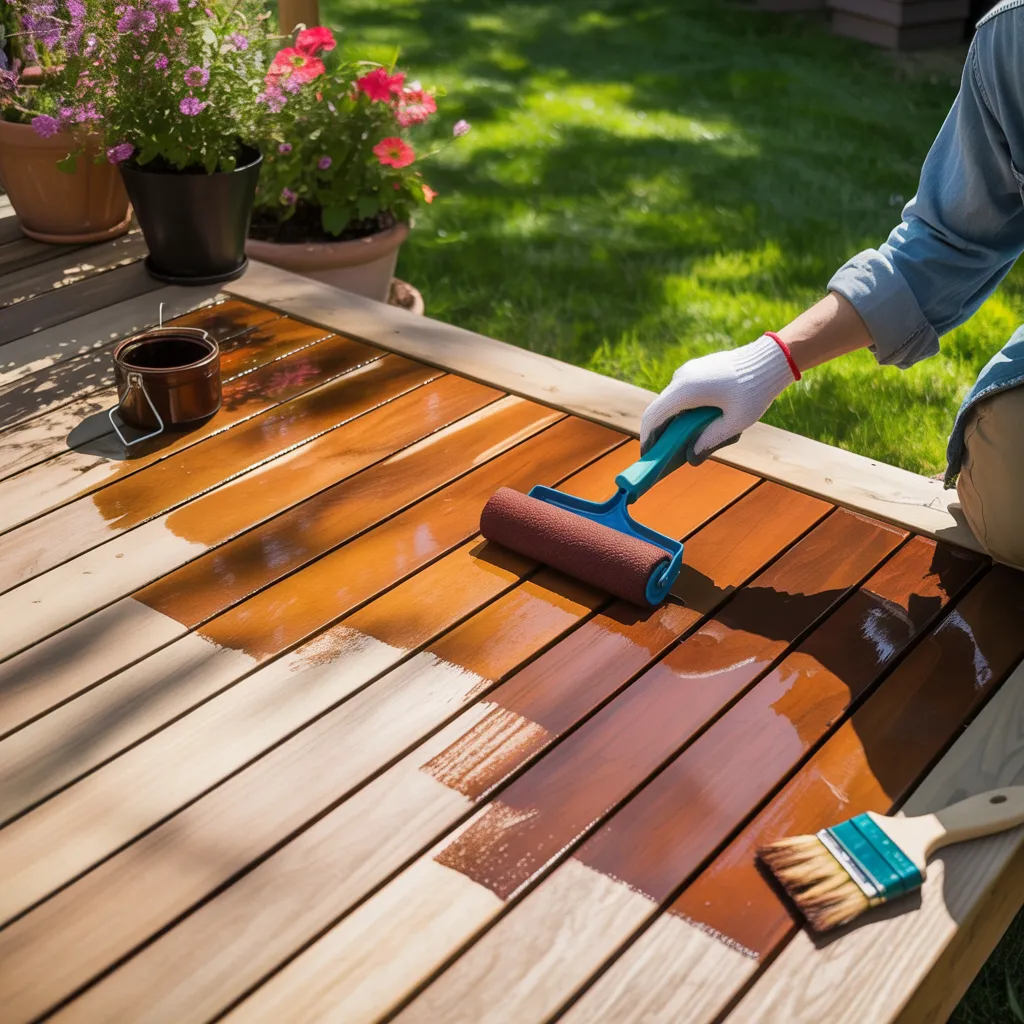
Benefits of Engaging Professionals for Deck Staining
When approaching deck staining, homeowners frequently neglect the importance of hiring professionals. Engaging specialists ensures a superior finish, as they have the required skills and experience to manage multiple wood types and conditions. Professionals grasp the subtleties of choosing the right stain, considering factors like wood porosity and local climate. Additionally, they have access to professional tools and equipment that make the procedure more efficient and effective.
Furthermore, professionals can assist homeowners save time and effort, allowing them to focus on other important tasks. They are also experienced in safety standards, lowering the likelihood of accidents during the staining procedure. By engaging professionals, homeowners can obtain durable outcomes that enhance their deck's visual appeal and lifespan. Ultimately, the commitment in professional services can generate a elegantly finished deck that not only looks great but also offers protection against the elements for a long time.
Steer Clear of These Usual Deck Staining Missteps Before You Proceed
Many homeowners make important mistakes with deck staining that lead to unsatisfactory results. One frequent error is failing to prepare the surface properly. Insufficient cleaning traps dirt and debris, blocking the stain from adhering well. Choosing the wrong stain type is another error; applying an oil-based stain where a water-based one is needed causes peeling and unevenness. Additionally, staining in direct sunlight is not advised, as it results in the stain drying too quickly and creating blotches. helpful information Many people overlook the need to apply multiple thin coats rather than one thick coat, which can weaken the durability. Lastly, not allowing proper drying time between coats compromises the finish’s integrity. Avoiding these mistakes helps homeowners achieve a more successful and durable deck staining project.
What to Anticipate From Deck Staining
When reviewing deck staining, people can expect a comprehensive preparation process that includes surface cleaning to guarantee optimal results. Following this, the staining process involves applying the chosen product evenly for a lasting finish. Understanding these steps can help set realistic expectations for the project.
Preparation and Surface Cleaning
old sealant through high-pressure washing or scrubbing. Professionals may use specialized cleaning solutions to eliminate mildew, algae, and other unwanted substances
The Staining Process Summary|Staining Technique Breakdown|An Explanation to the Pigmentation Application|Tinting Method Fundamentals|Understanding the Staining Procedure
The wooden deck staining process progresses in a set of clear steps that guarantee a seamless and effective application. Initially, the professional team inspects the deck for any flaws or areas that need fixing.|Initially, the expert team checks the deck for any defects or areas in need of repair.|Initially, the professional team examines the deck for any damage or areas that need fixing.|At the start, the professional team reviews the deck for any problems or areas needing repair. After confirming the surface is clean and dry, they select a premium stain appropriate to the wood type and preferred finish. The application begins with edging, followed by rolling or spray painting the stain evenly across the deck boards.|The application starts with edging, followed by rolling or spraying the stain evenly over the deck boards.|Application commences with edging, then roller application or spray-coating the stain evenly across the deck boards.|The application commences with edging, followed by rolling or spraying on the stain evenly over the deck boards. Care is taken to avoid puddling and guarantee consistent coverage. Once the first coat dries, a second coat may be applied for enhanced protection and color depth. Lastly, the team gives instructions on drying periods and maintenance, ensuring the deck remains lovely and well-protected for the future.
Steps to Identify the Correct Deck Staining Service for You
Finding the ideal deck staining service can feel overwhelming, particularly with so many options available. To choose well, homeowners should start by researching area businesses and read customer feedback. A trustworthy service will have a portfolio highlighting their previous work, helping potential clients to assess aesthetic and quality.
Next, it's important to ask about the kinds of stains and protective sealers employed, as well as the application methods utilized. This guarantees that the selected option corresponds with the homeowner's preferences for durability and aesthetics. Additionally, obtaining various estimates can give insight into rates and quality.
Finally, consider the company's experience and whether they provide guarantees for their services. Choosing a service with a strong reputation and open communication will ultimately lead to a more enjoyable deck staining experience. By following these steps, homeowners can assuredly select a service that meets their needs and improves their outdoor space.
The Benefits of Using High-Quality Stains and Sealants
Investing in high-quality stains and sealants can greatly enhance the durability and visual appeal of a deck. These high-grade products provide essential protection against water, UV rays, and temperature fluctuations, which can lead to wood warping and decay over time. By forming a strong barrier, high-quality stains and sealants help to prevent mold and mildew growth, ensuring a tidier surface that is simpler to maintain.
Plus, premium stains often hold coloring agents that enhance the wood's natural beauty, enriching pigmentation and highlighting grain patterns. This not only improves the presentation but also contributes to value to the estate. High-quality products typically present superior grip and extended effectiveness, reducing the intervals between recoating. In conclusion, choosing these superior materials can lead to noteworthy financial advantages in ongoing expenses while maintaining the integrity of the deck's structural integrity and aesthetic charm. Prioritizing premium selections is a prudent choice for any house owner looking to protect their outdoor space.
How Often Should You Re-Stain Your Decking?
How frequently should homeowners consider re-staining their decks? Generally, it is advisable to re-stain a deck every two to three years, though several factors can influence this timeline. The type of wood, climate conditions, and the quality of the stain used all play important roles in determining the required frequency. In areas with harsh weather, such as intense sun or heavy rain, re-staining may be required more frequently to protect the wood from damage. Homeowners should also keep an eye out for signs of wear, such as fading color or water absorption, which indicate that the protective layer has weakened. Regular maintenance checks can help in evaluating these conditions, ensuring that the deck remains in optimal shape. Ultimately, staying proactive about re-staining can extend the life of the deck and maintain its visual appeal, making it a worthwhile investment for homeowners.
Guidelines for Caring for Your Newly Stained Deck Looking Great
To guarantee a newly stained deck maintains its radiance and durability, homeowners should practice a few fundamental care techniques. Periodic cleaning is vital; using a broom or leaf blower to remove debris prevents mold and mildew deposit. A delicate wash with soapy water can eliminate dirt without injuring the stain.
Property owners should similarly refrain from using abrasive chemical products, as these can strip the finish. Instead, choosing a pH-balanced cleaner will conserve the stained surface.
Furthermore, installing mats at doorways reduces dirt and moisture tracked onto the deck. This simple step can meaningfully prolong the life of the stain.
Finally, periodic inspections for signs of wear or fading allow for prompt maintenance, ensuring the deck stays bright and properly safeguarded. By adhering to these recommendations, homeowners can appreciate a beautiful and durable deck for years to come.
Frequently Asked Questions
What Duration Should You Anticipate for Deck Staining to Finish?
Deck staining usually takes 1-2 days to complete, determined by the deck's dimensions and weather patterns. Proper prep work and cure time are vital for obtaining optimal results and durability of the coating.
Is It Possible to Paint My Deck Following Rain?
Applying stain to a deck immediately after rain is not advisable. The deck should be completely dry to guarantee proper adhesion and absorption of the stain, generally requiring a wait of 24 to 48 hours after it rains.
What Preparation Steps Are Required Before Staining My Deck?
Prior to staining a deck, you should thoroughly clean it, ensuring all dirt and debris are eliminated. Allow the surface to completely dry and inspect for loose boards or damage that may require repair.
Can you discover eco-friendly staining options accessible?
Yes, several eco-friendly staining options exist, featuring water-based stains and those made from plant-based oils. These products lower toxic substances, rendering them more protective of the natural world while efficiently maintaining and upgrading the deck's appearance.
Will Staining My Deck Inhibit Fungal Growth and Mildew?
Applying stain to a deck can substantially reduce the risk of mold and mildew by creating a protective barrier against water. This barrier helps keep the wood dry, discouraging the growth of unwanted fungi and guaranteeing longevity.